
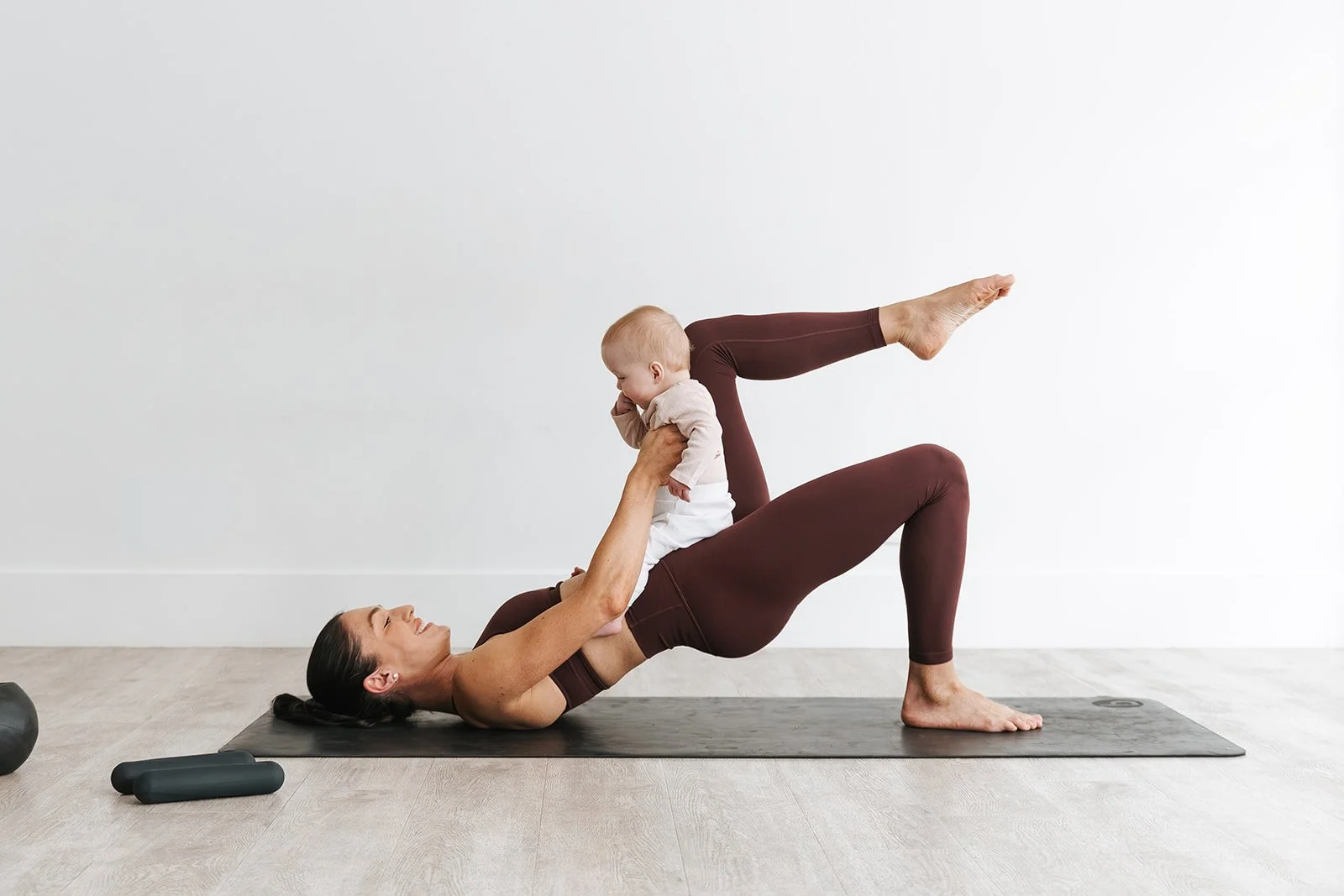
After birth, it can be hard to know where to begin with exercise. You might be wondering whether you need to wait until your six-week check, what movement is appropriate after a caesarean, or whether you can follow the same postpartum program after a vaginal birth.
A good online postpartum recovery program should recognise that both types of birth involve recovery. It should help you start gently, build strength progressively and adjust your movement to your symptoms, healing and individual circumstances.
At MOVE with The Mama Physio, the postpartum programs are designed by women’s and pelvic health physiotherapist Jess Jenkins. They include an Early Postpartum Program for the first six weeks after birth, followed by an eight-week Postpartum Program to help you continue building strength.
Can I use the same postpartum recovery program after a C-section and vaginal birth?
A well-designed program can support people recovering after either type of birth, but recovery is not identical for everyone.
After a vaginal birth, you may be recovering from perineal swelling, stitches, a tear or pelvic floor symptoms. After a caesarean birth, you are also recovering from abdominal surgery and a healing incision. Some people experience both pelvic floor and abdominal symptoms, regardless of how they gave birth.
That’s why a postpartum program should give you a gradual starting point and help you respond to how your body is feeling, rather than expecting everyone to follow the same timeline.
MOVE’s Early Postpartum and Postpartum programs are designed for people after both vaginal and caesarean births. They include pelvic floor and abdominal rehabilitation, mobility, education and progressive movement. The programs provide general guidance; they do not replace an individual assessment or advice from your healthcare team.
What should an online postpartum recovery program include?
When you’re comparing postpartum programs, look for more than a collection of general Pilates classes. Useful features include:
A gentle starting point: movement that can be introduced early when appropriate, rather than assuming you need to wait six weeks to do anything.
Progression over time: a way to build from gentle recovery work towards more challenging exercise as you’re ready.
Pelvic floor and abdominal guidance: education and exercises that help you reconnect with these areas after birth.
Options to adjust: a reminder to change, pause or seek advice if a movement brings on pain, heaviness, leakage or other symptoms.
Guidance for different birth experiences: including caesarean recovery, vaginal birth recovery and the possibility of complications or ongoing symptoms.
A qualified practitioner behind the program: ideally someone with relevant postpartum and pelvic health experience.
Online programs can offer structure and convenience, particularly when leaving home with a newborn feels like a lot. But they can’t assess your individual recovery. If you have concerns, symptoms or a complicated birth, seek advice from your doctor, midwife or pelvic health physiotherapist.
Returning to movement after a caesarean birth
A caesarean birth is both a birth and abdominal surgery. Early recovery may involve getting comfortable with everyday movements such as rolling in bed, standing up, walking and lifting your baby.
A postpartum program after a caesarean should give you a gradual way to reconnect with your breathing, abdominal muscles and pelvic floor, while respecting how your incision and body are healing. Movement should feel manageable. If it causes increasing pain or pulling around your wound, stop and check in with your healthcare team.
MOVE’s Early Postpartum Program is designed to support gentle movement during the first six weeks after birth. The app also includes education about caesarean scar massage and returning to exercise. Follow your treating team’s advice about your incision and when to begin any scar care.
Returning to movement after a vaginal birth
Recovery after a vaginal birth can look different for each person. You may have perineal soreness, stitches, a tear or symptoms such as pelvic heaviness or bladder leakage. Some people feel ready for gentle movement early; others need more time or individual support.
A suitable program should let you begin gently and pay attention to symptoms, rather than asking you to push through discomfort. If exercise increases pain, bleeding, heaviness or leakage, pause or modify it and seek advice if the symptoms persist or concern you.
Do I have to wait six weeks to start moving?
Not necessarily. For many people, gentle movement may be appropriate before the six-week check, but the right starting point depends on your birth, health, symptoms and medical advice.
The first six weeks are not a race to return to your previous workouts. Short, simple movement can be a useful way to begin reconnecting with your body, while rest and recovery remain part of the process. More demanding exercise usually needs a gradual build-up and may require individual guidance.
If you’ve had a complication, wound concerns, significant pain or another medical issue, follow the advice of your healthcare team before starting a program.
MOVE’s 14 weeks of postpartum support
MOVE includes two postpartum programs to guide you from early recovery into progressive exercise:
Early Postpartum Program: birth to six weeks
Short, simple workouts and education to help you reconnect with your pelvic floor and abdominal muscles, work on mobility and begin moving when appropriate.
Postpartum Program: from six weeks
An eight-week progressive program with Pilates-style workouts and education to help you continue building strength and confidence after birth.
Both programs are designed for people after vaginal and caesarean births. You can work through them at a pace that suits your recovery, following advice from your healthcare team.
Explore the MOVE postpartum programs
Frequently asked questions
Is there an online postpartum program for both C-section and vaginal birth recovery?
Yes. MOVE’s Early Postpartum and Postpartum programs are designed for recovery after both caesarean and vaginal births. Your individual needs and timeline may still differ, so follow your healthcare team’s advice.
When can I start an online postpartum recovery program?
It depends on your health, birth and recovery. Gentle movement may be appropriate before six weeks for some people, but seek advice from your healthcare team - especially if you had complications, pain or wound concerns.
Can I exercise after a C-section?
Many people gradually return to movement after a caesarean, but healing from surgery needs to be considered. Begin according to your healthcare team’s advice, and pause if exercise causes increasing pain or pulling around your incision.
What if I have pelvic floor symptoms or diastasis recti?
This program is designed for all women after birth. If you are concerned, seek individual advice from a pelvic health physiotherapist if you have concerns or are unsure how to modify an exercise.
A gradual way to begin
You don’t need to have your whole return-to-exercise plan figured out in the first weeks after birth. Start with guidance that recognises recovery after both caesarean and vaginal birth, and progress in a way that fits your body and circumstances.
MOVE’s 14 weeks of postpartum programs take you from early recovery into progressive Pilates-style exercise, with education from a women’s and pelvic health physiotherapist.
Explore the MOVE postpartum programs.
This article provides general information only and is not a substitute for individual medical or physiotherapy advice. Follow the guidance of your healthcare team and seek an assessment if you have concerns about your recovery.